If you close your eyes for a moment, can you still hear the voice of a parent or grandparent telling you a bedtime story? For many of us, childhood was painted in the colors of folktales—talking animals, clever tricks, and lessons hidden inside laughter. These stories have a magic that transcends generations.
For me, the folktales for kids weren’t just bedtime entertainment. They planted the first seeds of imagination, and years later, they blossomed into my very first idea to write a children’s picture book!
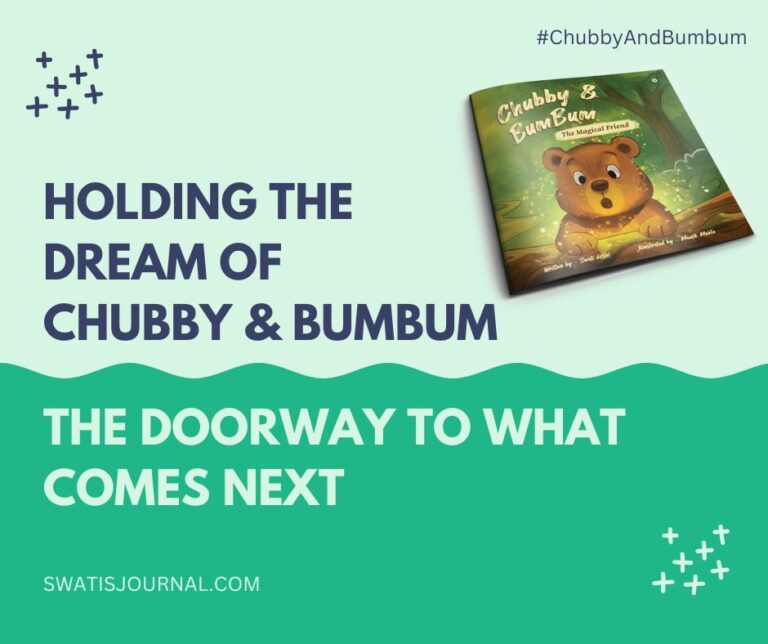
✨ Curious how those folktales grew into a real book? 👉 Join the waiting-list of my first book – Chubby and BumBum
Folktales for Kids: More Than Just Stories
The folktales we heard as children carried more than talking parrots and clever foxes. They were teachers in disguise. The Panchatantra, for example, has been retold in countless forms for centuries, each version gently shaping young minds with morals about wit, courage, or friendship.
When I began writing on Swati’s Journal, one of my joys was retelling such folktales in English and Gujarati. Stories like The Parrot Went to Make Money connected me with a global audience of parents who still wanted their kids to enjoy the timeless rhythm of traditional tales.
Folktales for kids are evergreen because they:
- Spark a child’s imagination
- Teach problem-solving through simple plots
- Encourage empathy by showing consequences
- Carry culture forward in convincing, joyful ways
That’s why the phrase folktales for kids is so much more than a keyword—it’s a key to preserving childhood magic.
From Retelling to Creating: The Birth of Chubby and BumBum
Retelling folktales taught me an important lesson: children respond best to repetition, rhythm, and characters they can love. I began to wonder—what if I created my own characters, with the same warmth but a brand-new world?
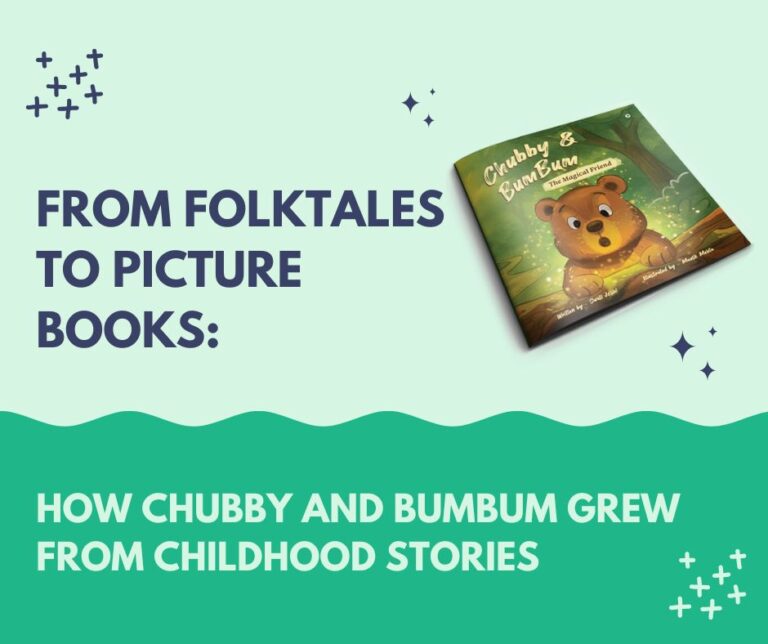
That’s how Chubby and BumBum were born. A gentle tale, written in rhyme, where friendship and wonder take center stage. Unlike a retelling, this was an original story—but one that carried the DNA of every folktale I had ever loved.
And here’s the part that makes my heart race: this story didn’t just live in my drafts—it is becoming my first ever published book!. After years of writing online, holding a real paperback in my hands for the very first time is nothing short of magical.
👉 See how those folktales for kids roots shaped my first book, Chubby and BumBum
Why Folktales Still Matter in a Digital Age
Some parents ask me: “Aren’t folktales old-fashioned for today’s kids?”
My answer is always no. If anything, folktales are more relevant than ever. In a world of short attention spans, these bite-sized narratives hold children’s focus while sneaking in important lessons. And when retold in modern formats—like picture books or read-alouds—they bridge the old with the new beautifully.
Here are three ways parents can make folktales meaningful today:
- Read Aloud with Rhythm – Use voices, pauses, and sound effects.
- Ask “What Happens Next?” – Invite your child to predict the story’s turn.
- Reimagine Together – Change endings, add new characters, or ask kids to draw scenes.
This kind of interactive storytelling doesn’t just entertain; it builds confidence, empathy, and curiosity.
The Step Forward: Writing as a Writer, Publishing as a Blogger
For years, my blog was my writing playground. I shared folktales, reflective essays, and dual-language experiments. But when Chubby and BumBum was ready, I faced the bigger challenge: turning a story into a book.
That’s where my background in blogging helped. Writers often forget that publishing isn’t just art—it’s also process, patience, and presentation. By building a landing page, connecting my stories with keywords like folktales for kids, and planning a blog series like this, I wasn’t just writing a book—I was building a bridge between readers and my work.
And honestly? That bridge is just as important as the book itself.
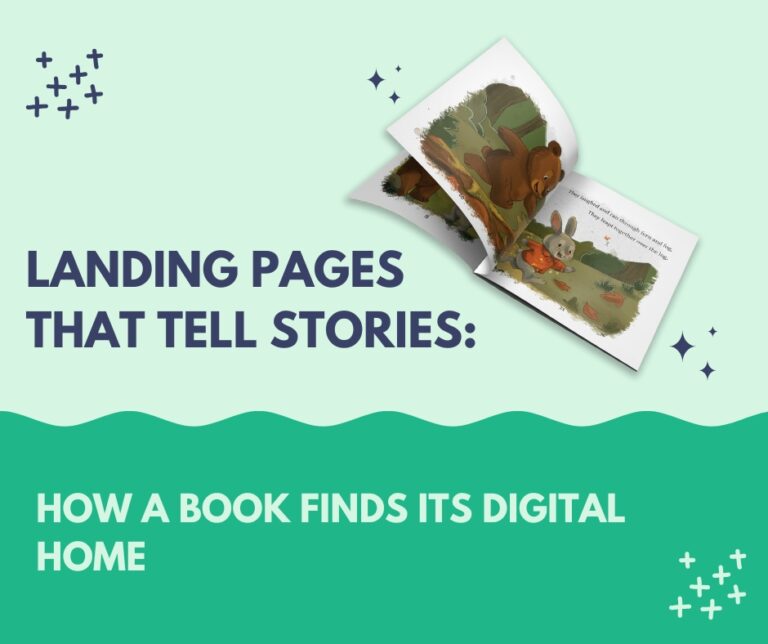
📖 If you’d like to see how I built this bridge, take a look at my Chubby and BumBum landing page.
[book id=”250986″]
The Bloom from the Seed
Folktales planted the seed, and Chubby and BumBum – The Magical Friend is the bloom. But the real joy is in knowing that one day, a parent will read it aloud to a child, and perhaps that child will grow up inspired to write stories of their own.
As a writer, nothing compares to the excitement of seeing your words travel beyond your screen and become a book that others can hold, gift, and treasure. For me, this is a milestone I’ll never forget—my first published book.
This is the first in a series where I’ll share my entire journey—from folktales to writing, publishing, and even the behind-the-scenes business of bringing a book to life. If you’re a parent, you’ll discover why stories matter. If you’re a writer, you’ll learn the practical side of turning creativity into a product.
Either way, I hope you’ll join me on this journey – because stories travel faster n live longest when they’re shared.